Paper clutter can quickly take over a home, turning desks, counters, and drawers into messy piles. Managing household paper is a common challenge, but with a few simple habits and smart strategies, you can reduce clutter and maintain a neat, organized space. In this post, we’ll explore practical ways to tackle paper clutter without feeling overwhelmed.
Why Reducing Paper Clutter Matters
Paper clutter not only looks untidy but can also make it difficult to find important documents when you need them. Excess paper can lead to stress and distract from the comfort of your home. By minimizing paper clutter, you create a cleaner environment, save time, and even reduce waste.
Start with Sorting and Organizing
The first step in reducing paper clutter is to sort what you have. Gather all the loose papers from around your home and divide them into categories:
– Keep: Important documents like bills, tax records, warranties, and personal letters.
– Recycle/Shred: Outdated or unnecessary papers, such as expired coupons or old notices.
– Action Needed: Papers that require follow-up, like bills to pay or forms to complete.
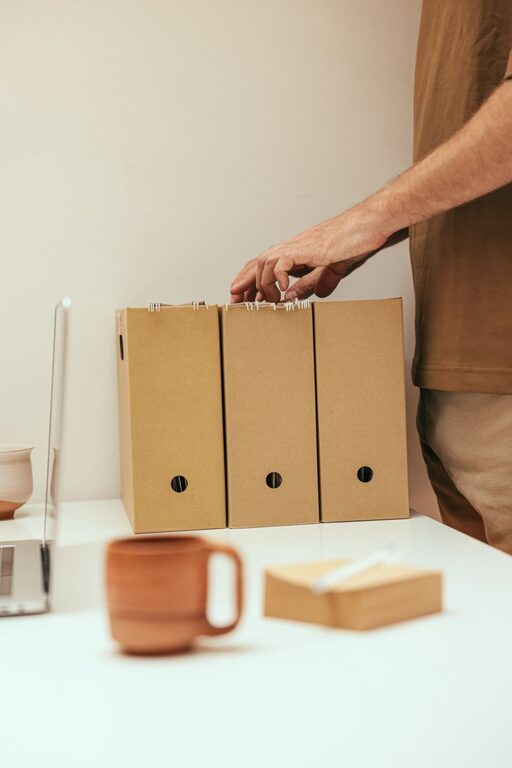
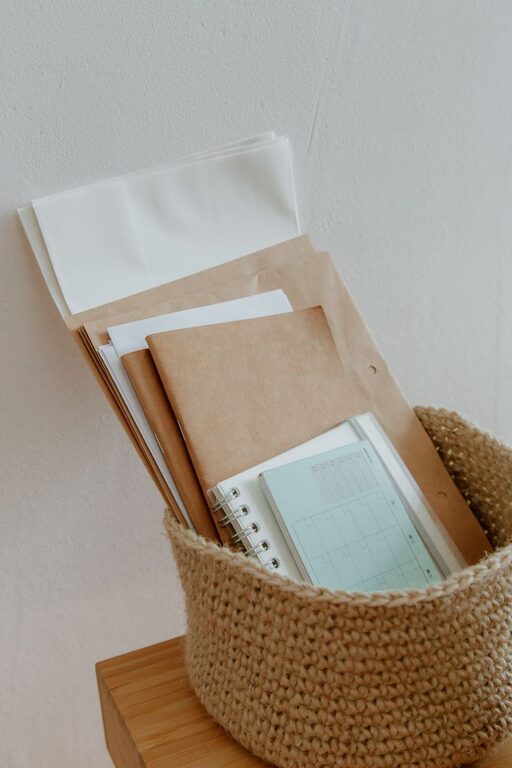
Once sorted, create labeled folders or binders for each category. Use a filing cabinet, portable file box, or a designated drawer to store these clearly. This system will help you locate papers quickly and avoid new piles forming.
Reduce Incoming Paper
Reducing the amount of paper coming into your home is crucial. Here are some easy ways to accomplish this:
Switch to Paperless Statements and Bills
Most banks, utility companies, and service providers offer electronic billing options. Sign up for paperless statements wherever possible. This reduces physical mail and allows you to store and search documents digitally.
Unsubscribe from Unwanted Mail
Catalogs, flyers, and junk mail can pile up fast. Register with services like the National Do Not Mail list or opt out directly from companies’ websites. You can also contact your local post office to reduce unsolicited mail delivery.
Request Digital Receipts
Many stores now offer email or text receipts. Opt for these instead of printed ones whenever available. This is especially helpful for warranties and returns, as you’ll have a record stored electronically.
Create a Paper Management Routine
Developing a daily or weekly habit of sorting and processing paper can prevent clutter from building up again. Here’s a simple routine to follow:
- **Designate a Paper Drop Zone:** Choose a specific spot for incoming mail and papers. This keeps them from spreading to other areas.
- **Sort Daily or Weekly:** Set aside time to review the drop zone. Quickly sort papers into keep, action, or recycle piles.
- **File or Discard Immediately:** Don’t let paper sit. File important documents and shred or recycle unwanted ones right away.
- **Take Action:** Pay bills, sign forms, or complete tasks promptly to avoid piling paper.
Use Technology to Your Advantage
Digital tools can greatly reduce reliance on paper and help keep everything organized:
– Document Scanning Apps: Use a smartphone app to scan important documents and store them digitally. Many apps allow you to organize files, search text, and share documents easily.
– Cloud Storage: Services like Google Drive, Dropbox, or OneDrive offer secure, accessible places to keep your files. This also provides backup in case physical papers are lost.
– Digital Note-Taking: Switch from paper notes to apps like Evernote, OneNote, or simple phone notes to reduce scratch paper.
Organize Important Papers Smartly
Some documents must be kept in physical form, such as birth certificates and property deeds. For these, consider the following:
– Use a Safe or Fireproof Box: Store critical papers in a secure container to protect them.
– Create a Master List: Keep a list of important documents and their locations for easy reference.
– Review Annually: Check your important documents once a year to remove anything outdated and ensure everything is in order.
Encourage Everyone in the Household to Participate
Paper clutter management works best when everyone in the home is involved:
– Explain the system to family members and show them where to put mail and papers.
– Encourage habits like handling mail immediately, using digital formats, and not creating unnecessary printouts.
– Make paper management part of regular household routines.
Additional Tips to Keep Paper Clutter at Bay
– Use a calendar or planner to track bills and appointments, reducing printed reminders.
– Avoid printing emails or documents unless necessary.
– Reuse scrap paper for notes or shopping lists.
– Place recycling and shred bins near your paper drop zone for easy disposal.
Final Thoughts
Reducing household paper clutter doesn’t have to be complicated. By sorting what you have, reducing incoming paper, establishing routines, and using digital tools, you can keep your home tidy and stress-free. Start small, stay consistent, and enjoy the benefits of a clutter-free space.