
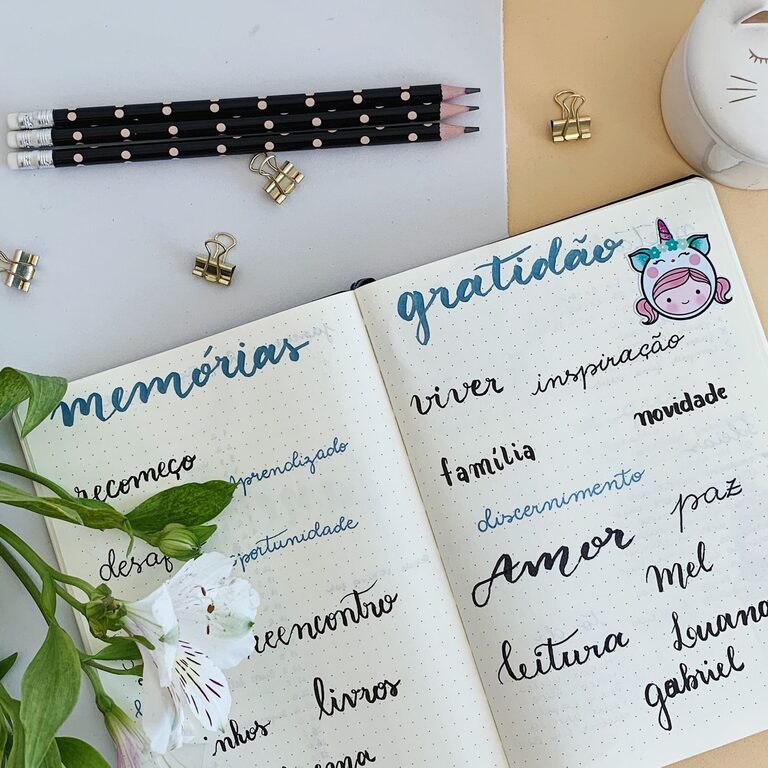
Starting a gratitude journal is a wonderful way to cultivate positivity and increase your overall happiness. By taking a few moments each day to jot down things you appreciate, you can shift your focus from stress and negativity to the good things in life. In this post, we’ll guide you through how to start a gratitude journal, offer tips for keeping it consistent, and share ideas to make your journaling practice meaningful.
What Is a Gratitude Journal?
A gratitude journal is simply a personal diary where you regularly write about things you are thankful for. It can be a physical notebook, a digital document, or even an app specifically designed for journaling. The goal is to highlight positive experiences, big or small, and build an attitude of appreciation.
Benefits of Keeping a Gratitude Journal
Before diving in, it helps to understand why keeping a gratitude journal is beneficial:
– Improves mood: Focusing on positive moments can reduce feelings of stress and sadness.
– Enhances mindfulness: Writing daily encourages you to pay attention to the present.
– Builds resilience: Recognizing good things can help you cope better with challenges.
– Strengthens relationships: Noticing and appreciating others deepens your connections.
– Improves sleep: Reflecting on positive events before bed has been linked to better sleep quality.
Choosing Your Journal
The first step is deciding how you want to keep your journal. Consider these options:
– Paper notebook: Many enjoy the tactile experience of writing by hand. Choose a notebook that feels inviting—whether it’s plain, lined, or decorated.
– Digital document: If you prefer typing, use a word processor or note-taking app.
– Gratitude apps: Some apps prompt you with daily questions or reminders to keep you consistent.
Pick whatever feels easiest and most enjoyable to you, as this will encourage regular use.
Setting Up Your Gratitude Journal
When to Write
Decide on a time of day that works best. Common choices are:
– Morning: Starting the day with gratitude can set a positive tone.
– Evening: Reflecting before bed can help you unwind and sleep better.
– Anytime: Some prefer writing whenever they feel inspired.
Try to make it a consistent habit by associating journaling with another daily routine, like after breakfast or before brushing your teeth.
How Often to Write
Start with a frequency that feels manageable. Daily journaling is ideal, but even a few times per week can be helpful. If daily writing feels overwhelming, begin small and build up.
What to Write
There are no strict rules about what to include. Some prompts to consider:
– Three things you’re thankful for today
– A person who made your day better and why
– A recent experience that brought you joy
– Something simple you noticed, like a beautiful sunset or a smile from a stranger
– Strengths or qualities you appreciate in yourself
Be specific and descriptive. Instead of writing “I am thankful for my friends,” try “I’m grateful for my friend Sarah who called me today and made me laugh.”
Tips for Maintaining Your Gratitude Journal
– Keep it visible: Place your journal somewhere you’ll see it daily.
– Set reminders: Use phone alarms or calendar alerts to prompt journaling time.
– Mix formats: Combine lists with short stories or drawings if you like.
– Be honest: Write what you truly feel grateful for, not what you think you should write.
– Celebrate progress: Look back on past entries to see growth and positive moments.
– Stay flexible: If you miss a day, don’t worry—just start again.
Sample Gratitude Journal Entry
Here’s an example to inspire you:
> Today I’m grateful for the warm cup of coffee I enjoyed this morning. It helped me feel calm and ready to start the day. I appreciated the kind barista who remembered my order and greeted me with a smile. Also, I’m thankful for the sunny weather during my walk, which lifted my spirits.
Additional Ideas to Enhance Your Practice
– Gratitude jar: Write gratitude notes on slips of paper and collect them in a jar. Open it when you need a mood boost.
– Share gratitude: Tell someone in your life why you appreciate them.
– Use prompts: If you’re stuck, use journaling prompts found online or in gratitude books.
– Pair with meditation: Reflect on your gratitude journal during meditation or quiet time.
Final Thoughts
Starting a gratitude journal is simple, but its effects can be powerful. By regularly focusing on what you appreciate, you train your mind to see the positive, leading to greater happiness and well-being. Remember, the key is consistency and sincerity. There’s no perfect way to do it—make your gratitude journal your own personal space for appreciation and joy.
Give it a try today, and enjoy the many benefits that come from cultivating gratitude in your daily life!